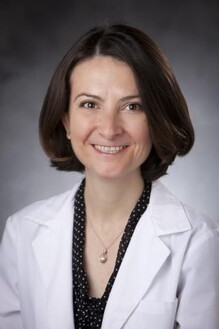
One in five children have abnormal levels of fats in their blood, like high cholesterol or triglycerides, and require special care to manage their condition now, before it becomes a problem in adulthood. Duke Health’s pediatric lipid disorders clinic brings together a team of experts to do just that. “We create individual care plans for children and their families,” said Duke Health pediatric endocrinologist Pinar Gumus Balikcioglu, MD, MHSc.
What Is Dyslipidemia and When Should Children Be Screened
High cholesterol is a form of dyslipidemia, an umbrella term that refers to abnormal levels of fats -- also known as lipids -- in the body.
Typically, children are first screened for dyslipidemia between ages 9 and 11. However, Dr. Gumus Balikcioglu recommends children be screened as early as age 2 if there is a family history of high cholesterol, early heart disease, or early stroke.
Children should also be screened earlier if they have obesity, diabetes, or high blood pressure. Catching dyslipidemia early is important, said Dr. Gumus Balikcioglu, because the cumulative amount of cholesterol exposure over time is the most important risk factor for cardiovascular disease later in life. Intervening early lowers that risk.
Duke Health pediatrician Lisa Ferrari, MD, recommended early screening for 3-year-old Adela Smith when she learned the toddler’s mom had been diagnosed with high cholesterol as a teenager. When Adela’s bloodwork came back abnormal, the family was referred to Duke’s pediatric lipid disorders clinic.
“Without that screening, we wouldn't have known this was affecting her at all,” said Adela’s father, Nick. Like most people with high cholesterol, Adela didn’t have any outward symptoms.
Treatment Options Are Available for Children with Dyslipidemia
Now 6 years old, Adela takes an oral medication that helps block the absorption of cholesterol in her intestine. “She hasn’t had any side effects, and we’ve seen great results,” said Nick. He said statins are likely in her future, but they are taking it one step at a time and attending regular checkups with Dr. Gumus Balikcioglu at the lipid disorders clinic.
Through the clinic, Dr. Gumus Balikcioglu connects her young patients to specialists who can help children and their families learn to manage their condition. The team includes cardiologists, geneticists, social workers, and dietitians. Dietitians help families adopt healthy lifestyle changes, and social workers help everyone manage the stress that can come with having a chronic disease.
Dyslipidemia Research Looks at New Treatment Approaches
In addition to their work in the clinic, Dr. Gumus Balikcioglu and her colleagues are researching new ways to treat hyperlipidemia and early cardiovascular disease risk factors. “We are actively advocating for all our patients to receive the care they need to help prevent complications as adults,” Dr. Gumus Balikcioglu.