Billy Morning had always been a big guy, but around the time he turned 50, he knew it was time to do something about his weight. His father died after a heart attack when he was in his 60s, and Morning wanted to be around for his wife and his grandchildren. Just a few months after undergoing gastric sleeve surgery at Duke Raleigh Hospital, he’s lost more than 60 pounds. “I got so much energy now,” Morning said. “I can walk more. I'm not out of breath. I sleep a lot better. I can play with my grandkids. That’s the biggest thing."
Without Surgery, the Pounds Wouldn’t Come Off
Billy Morning weighed more than 300 pounds when his doctor prescribed a GLP-1 to help him lose weight. He had high cholesterol, was sleeping poorly, and was taking medication for chronic knee pain. The Navy veteran lost about 40 pounds with the injections, but insurance stopped covering them, and he couldn’t shed more weight, even after changing his eating habits and participating in weight loss programs at the VA near his home in Kinston.
He started researching bariatric surgery. “I made up my mind that this was what I was going to do,” he said.
See Billy Morning's weight loss transformation.
Choosing Gastric Sleeve Surgery
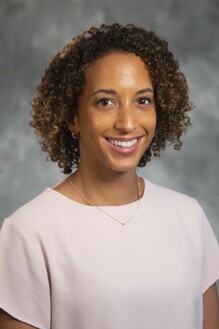
Morning and his wife met with Dr. Rachel Atkinson, MD, at Duke Raleigh Hospital, a medical campus of Duke University Hospital, who recommended gastric sleeve surgery. “He was overweight but didn’t have a ton of weight to lose, which also meant he didn’t need a complex surgery,” she said. The pain medication he was taking for his knee also factored into her recommendation.
According to Dr. Atkinson, gastric sleeve surgery is one of the most common bariatric procedures performed worldwide. In about an hour, the surgeon creates small incisions in the abdomen through which she passes small instruments to staple and remove up to 80% of the stomach. “This reduces the amount of food you eat but also results in hormonal changes,” she said. People can expect to lose around 25% of their total body weight after a gastric sleeve,and experience improvements in their blood sugar, blood pressure, and sleep apnea.
Adjusting to Needed Lifestyle Changes
After an overnight stay in the hospital, Morning followed a liquid diet and started walking as soon as he was given permission. He started slow and now walks five or six miles a day. Within a few months, he had lost 60 pounds.
Morning credits his dietary changes, exercise and his positive mindset for his success. He still cooks for large gatherings at his church, and he still loves to eat, “But I don’t eat a lot of stuff that I cook.” He still gets some cravings, and he has cheated. But for the most part, he says he takes one day at a time and follows the recommended eating schedule.
Whereas before he was quick to eat a double cheeseburger, fries and a hotdog, now he knows that will make him sick. “I eat a lot of chicken,” he said. “I’m eating a lot of vegan hamburgers and sausage. During the day I eat one cup of sugar-free Jello. I drink a lot of liquids. No sodas, no juices.”
Duke Offers Comprehensive Care Before and After Bariatric Surgery
Duke’s pre- and post-surgical program helped him adapt to his new lifestyle. “They tell you what you need to do it and how to do it,” he said.
Ensuring people achieve success is the goal of Duke’s bariatric team, which includes doctors, nurses, physician assistants, nurse practitioners, dietitians, psychologists, and administrative staff. “We are talking all the time about the patients, and we have a lot of checks and balances to make sure everyone is progressing through the process, because it is a process to get to the point of having the actual surgery,” Dr. Atkinson said. “There's a lot of things that we ask patients to do. Overall, it results in really good comprehensive care that hopefully leads to our patients having good outcomes.”
Morning can attest to that. “I tell everybody, if you can get to Duke, go to Duke Raleigh because they are the best.”