Larissa Biggers
Blogs by Larissa Biggers

How Screening Mammograms Can Save Your Life
You may not feel lucky, but if you are one of the estimated six out of 1000 women diagnosed with breast cancer based on a screening mammogram, you may well be…
Read Article
Kidney Transplant Gives Child with Chronic Kidney Disease a Normal Childhood
Born with just one, poorly functioning kidney, Abrielle Barber faced significant challenges in her first five years of life, including getting nutrition from a…
Read Article
Duke Health Sports Medicine Providers Give Back to Athletes in the Community
When children, teens, and college athletes play sports, there’s always a chance of injury. Fortunately, Duke sports medicine experts are on the sidelines at…
Read Article
Same-Day Knee Replacement at Duke Health Center Arringdon Puts You on the Road to Recovery Faster
Outpatient -- or same-day -- knee replacement surgery is more convenient than traditional knee replacement surgery and often can help you recover faster. At…
Read Article
Living Kidney Donations Help Black People with Kidney Disease Get Transplanted Faster
Black Americans are more likely to experience kidney failure and less likely to receive a transplant from a living donor than non-Black people. That racial…
Read Article
Duke Esophageal Specialists Offer Relief for Severe GERD
Katie Courtland of Durham lived with heartburn, acid reflux, and other typical symptoms of gastroesophageal reflux disease for years. When her condition became…
Read Article
Is Myopia Management Right for Your Child?
Myopia -- or nearsightedness -- used to mean thick glasses, contact lenses, and progressively worsening vision. But that may be changing. Duke Health pediatric…
Read Article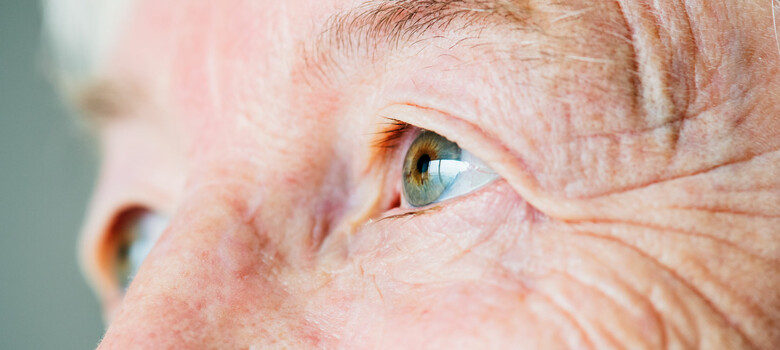
Do I Really Need Cataract Surgery?
A cataract occurs when the normally clear lens inside your eye becomes cloudy. For many, this happens with age, but certain medications, diseases, and trauma…
Read Article
Choose the Right Artificial Lens for Your Cataract Surgery
Cataract surgery involves removing a clouded lens and replacing it with an artificial intraocular lens (also called an IOL) to improve your vision. However,…
Read Article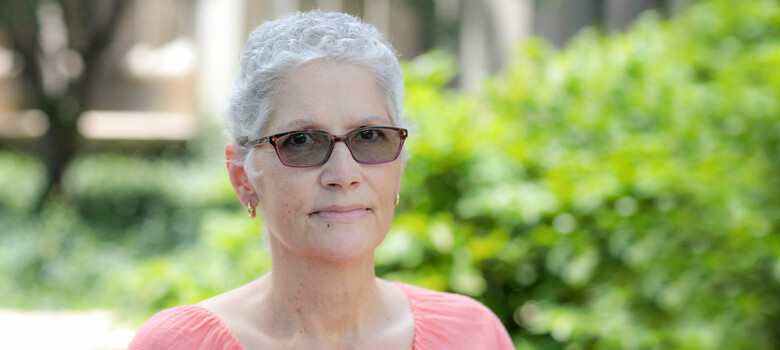
A Second Opinion at Duke Gives Woman with Pancreatic Cancer a Second Chance
After a lengthy surgery failed to remove a cancerous mass from her pancreas, Sharlene Mitchell’s doctors told her nothing more could be done. Mitchell, however…
Read Article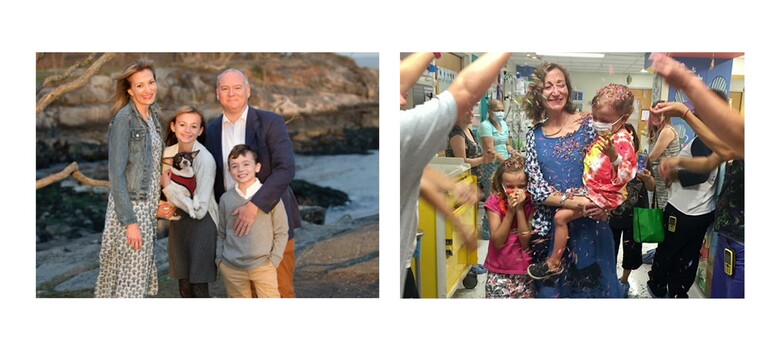
A Pediatric Stem Cell Transplant Cures Boy with Rare Genetic Disease
Sebastian Sancho seemed perfectly healthy when he was born in the spring of 2012. Within two months, however, he was diagnosed with chronic granulomatous…
Read Article
Local Couple Values Convenience, Personal Relationships at Duke Signature Care
Margaret Hodel and her husband Richard had always received excellent care from their primary care doctor, Kathleen A. Waite, MD. So when Dr. Waite told them…
Read Article