Leslie Saunders was diagnosed with small cell lung cancer, and then it spread to her brain. Following treatment with a newer drug called tarlatamab, her brain MRI is clear, and she’s hosting events and bringing people together. “Duke is one of the best cancer institutes in the world,” said Saunders. “When you’ve got a team of such brilliant people, you don’t worry about the cancer.”
A Crushing Diagnosis
In September 2025, Leslie Saunders was 74 when a routine follow-up CT scan at Duke Health following treatment for bladder cancer revealed something new: lung cancer, unrelated to her bladder cancer, in both of her lungs. “It was devastating,” said Saunders, who lives in Durham. “My mother died of lung cancer.”
Initial Treatment for Lung Cancer
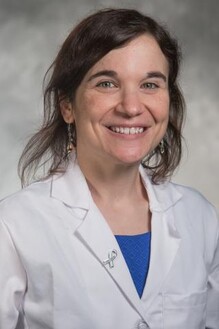
The plan was to surgically remove a lobe of one of Saunders’s lungs in December, but the procedure was halted when it was discovered that the cancer had spread to her lymph nodes. Two days later, Saunders’s doctor, Duke medical oncologist Laura Alder, MD, called with a new plan. “I was thrilled that she got back to me so quickly,” said Saunders. “It felt like I was her only patient.”
Dr. Alder prescribed chemotherapy and radiation, which Saunders began in January. Those treatments, plus immunotherapy, controlled her cancer for months. Then in July, an MRI showed that the cancer had spread to her brain.
Expertise with a Newer Drug
Fortunately, Duke is one of the few cancer centers in the Southeast to offer tarlatamab, a newer kind of immunotherapy that works by bringing together cells of the immune system with tumor cells. Saunders began taking the drug at the end of July. Tarlatamab requires experienced doctors to administer the drug and monitor for serious side effects. Duke has considerable expertise in the therapy, having participated in the clinical trials that led to its approval by the FDA two years ago, said Dr. Alder.
In addition to tarlatamab, Saunders received targeted radiation, where instead of radiating the whole brain, radiation oncologists map out exactly where the cancer is and focus the treatment there. “They created a mask for me to wear,” she said. “It looks like something out of Black Panther.”
Saunders’ latest brain MRI showed no signs of cancer. She will stay on the tarlatamab, which she tolerates well. “I don’t look sick, and I don’t feel sick,” said Saunders.
“Tarlatamab works throughout the body, and studies show it can also shrink tumors in the brain,” said Dr. Alder. “The hope is that it will continue to control her cancer.”
Life Beyond Lung Cancer
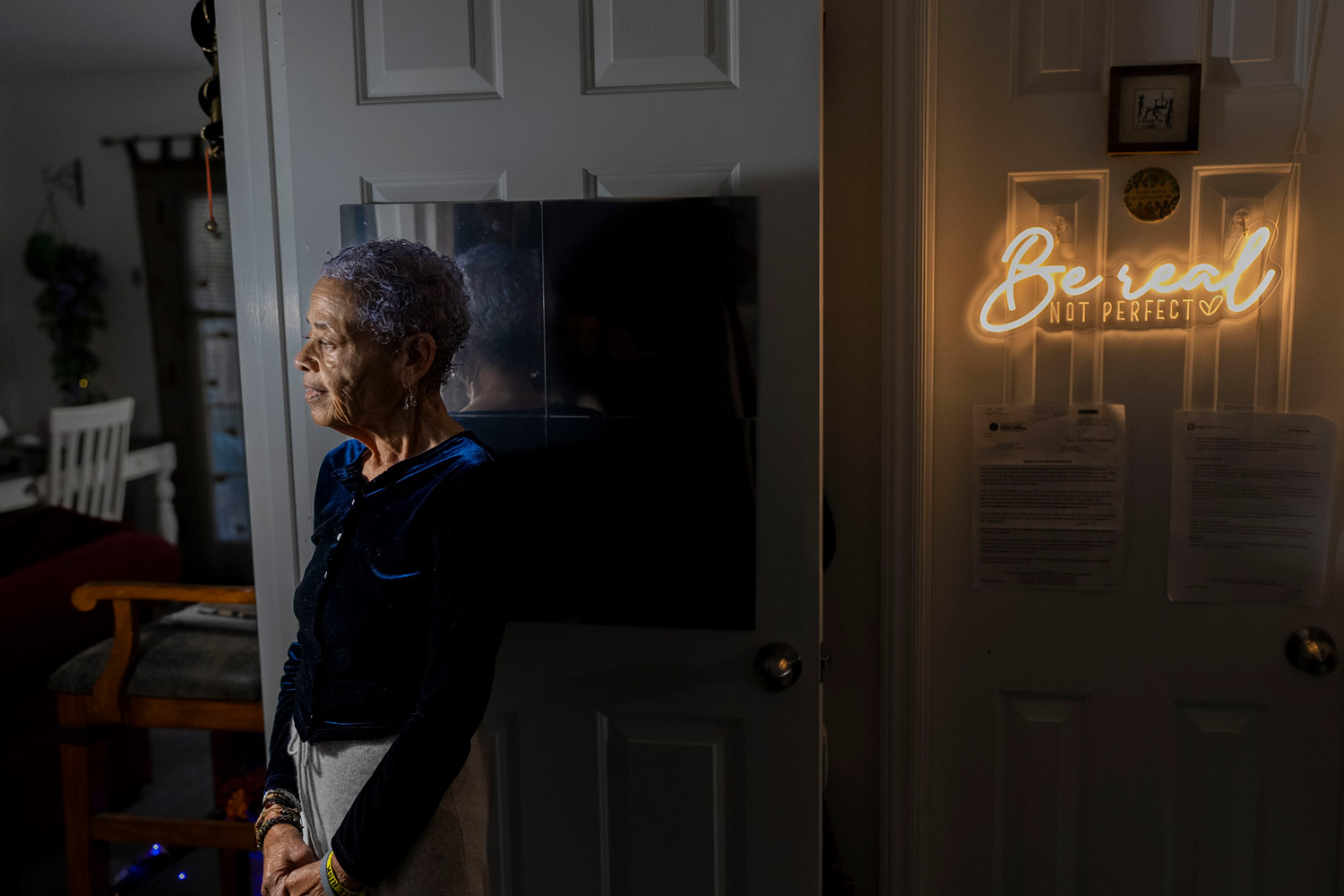
“Duke offers me many opportunities,” Saunders said. “I can go to individual therapy, or group therapy. But I don't want to sit around and talk about cancer all the time.” Instead, she keeps busy hosting dinner parties and has become the patron saint of a hemp lounge near her home where she hosts events and celebrated her birthday.
Confident in Her Team
As part of her care at Duke, Saunders is seeing a dietitian to maintain her weight, and she continues to follow up with her doctors to ensure her bladder cancer hasn’t returned. “I have about 30 people on my care team,” she laughed. “They sent me a poster with all their pictures and what to call them for and how to reach them. I said, ‘They don't bring that many people out on stage for Hamilton!’ They’re all working together and on top of things, and I’m confident that I'm in the best place.”