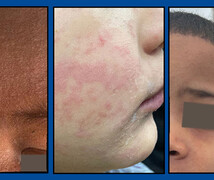
Hand, foot, and mouth disease (HFMD) is a common virus in children under seven, but adults can get it too. Below, Duke Health pediatrician Joel F. Vaughan, MD answers your questions about this contagious virus, including how to identify it, how to care for it at home, and when to see a doctor.
What does hand, foot, and mouth disease look like?
“Hand, foot, and mouth disease causes painful mouth sores and skin rashes on the hands and feet, and sometimes a fever,” said Dr. Vaughan. The rash may also appear on the torso or buttocks. It’s also possible for there to be no rash at all. These symptoms usually last seven to 10 days.
Can adults get hand, foot, and mouth disease?
Yes, adults can catch hand, foot, and mouth disease, but it’s less common due to immunity from early-life exposure. You can still get sick if you encounter a strain you haven’t had before. “Parents can get hand, foot, and mouth disease from their kids, especially if they’re sharing food or drink,” said Dr. Vaughan. Symptoms are usually milder in adults.
Should I take a sick day from work if my child has hand, foot and mouth?
If you have no symptoms, you can go to work because you're unlikely to spread the virus. “One issue is the incubation period where you don’t know you have it yet,” said Dr. Vaughan. “But even then, you’re unlikely to spread it.” If you experience symptoms of hand, foot, and mouth disease, stay home to prevent spreading it.
How long is hand, foot, and mouth disease contagious?
Hand, foot, and mouth disease is most contagious during the first week, or when you have a fever. It can still spread through mucous, saliva, coughing, and feces for weeks after symptoms go away, so good hygiene and proper handwashing is important. “I typically tell people to wait until their fever has gone down for at least 24 hours before it’s safe to be around people,” said Dr. Vaughan.
Can someone get hand, foot, and mouth disease twice?
Yes, it is possible to get hand, foot, and mouth disease more than once because it’s caused by different viral strains. However, similar to colds or the flu, getting it again during the same season is rare.
When should my child see a doctor for hand foot and mouth disease?
If you think your child has hand, foot, and mouth disease, visit a pediatrician to confirm the diagnosis. You should see a doctor if symptoms last longer than seven to 10 days, if symptoms don’t improve, or if new symptoms start to appear, said Dr. Vaughan. You may also want to see the doctor if mouth sores burst, making eating and drinking painful.
“If your child won’t eat or drink due to mouth pain, that's a big problem, and they need to see a doctor,” said Dr. Vaughan. “If your child needs intravenous hydration, they should go to a children's emergency department.” Likewise, seek immediate care if your child develops “chest pain, difficulty breathing, abdominal pain, or other skin changes,” said Dr. Vaughan.
Can I treat hand, foot, and mouth disease at home?
After your doctor confirms the diagnosis, acetaminophen and/or ibuprofen can help control the pain and fever. If the rash itches, Dr. Vaughan suggests using topical hydrocortisone cream. Cold liquids can soothe mouth pain. “An ice pop or milkshake is great because it provides hydration and calories if your child is struggling to eat or drink,” said Dr. Vaughan.