Bailey Geason was 27 when doctors spotted cancer in her right breast. She wasn’t shocked; when she was a college freshman, genetic testing confirmed she carried the BRCA1 gene mutation, which increased her risk for breast and ovarian cancer. After a double mastectomy and chemotherapy at Duke Health, Geason said, “I’m lucky I knew I had this mutation and got screened.”
Genetic Testing: Knowledge Is Power
Geason was a child living in Cary when her mother underwent a prophylactic mastectomy and hysterectomy after genetic testing confirmed she and other family members had the BRCA1 mutation.
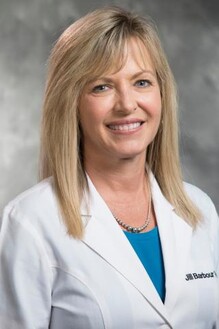
“When my brother and I turned 18, she was adamant about us getting genetic testing,” Geason said. After learning she had the BRCA1 genetic mutation, Geason met with Jill Barbour, MSN, MA, WHNP-BC, a nurse practitioner at Duke Cancer Center Cary. “She told me this is a life sentence of knowing that knowledge is power.” Barbour recommended Geason start annual breast mammograms and MRIs when she turned 25, then every six months when she turned 30.
Geason graduated from NC State and moved to Florida. The doctors there spotted something in her right breast after her first breast MRI and called her back for an ultrasound, which came back clear. “The gynecologist recommended I follow up in six months. I had dense breast tissue, so I didn’t worry about it.” Then she had a biopsy in November 2025 and got the call. “They thought it was breast cancer.”
Back to Duke for Double Mastectomy
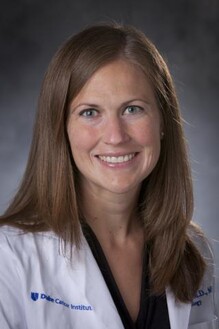
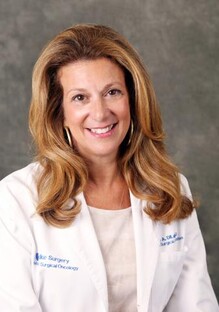
Back at Duke, Geason met with Duke Health medical oncologist Stacey Telloni, MD, surgical oncologist Gayle DiLalla, MD, and plastic surgeon Whitney Lane, MD. The cancer finding sped up Geason’s plan to have a prophylactic mastectomy when she was older and removed the need for more testing.
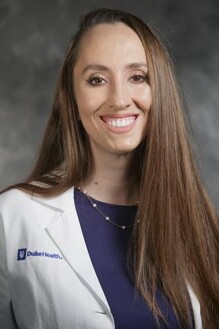
Two weeks after her double mastectomy, Geason learned what the tumor pathology had uncovered. On the positive side, the cancer hadn’t spread to her lymph nodes. “The invasive disease was only 3 millimeters; that’s how early we caught it,” said Alessandra Lopez, MSN, APRN, FNP-C, a nurse practitioner who works with Dr. Telloni. “But the cancer was behaving like triple negative, which can be more aggressive.”
Dr. Telloni recommended Geason undergo four rounds of chemotherapy to increase her odds that the cancer would not return.
Freezing Eggs Before Chemotherapy
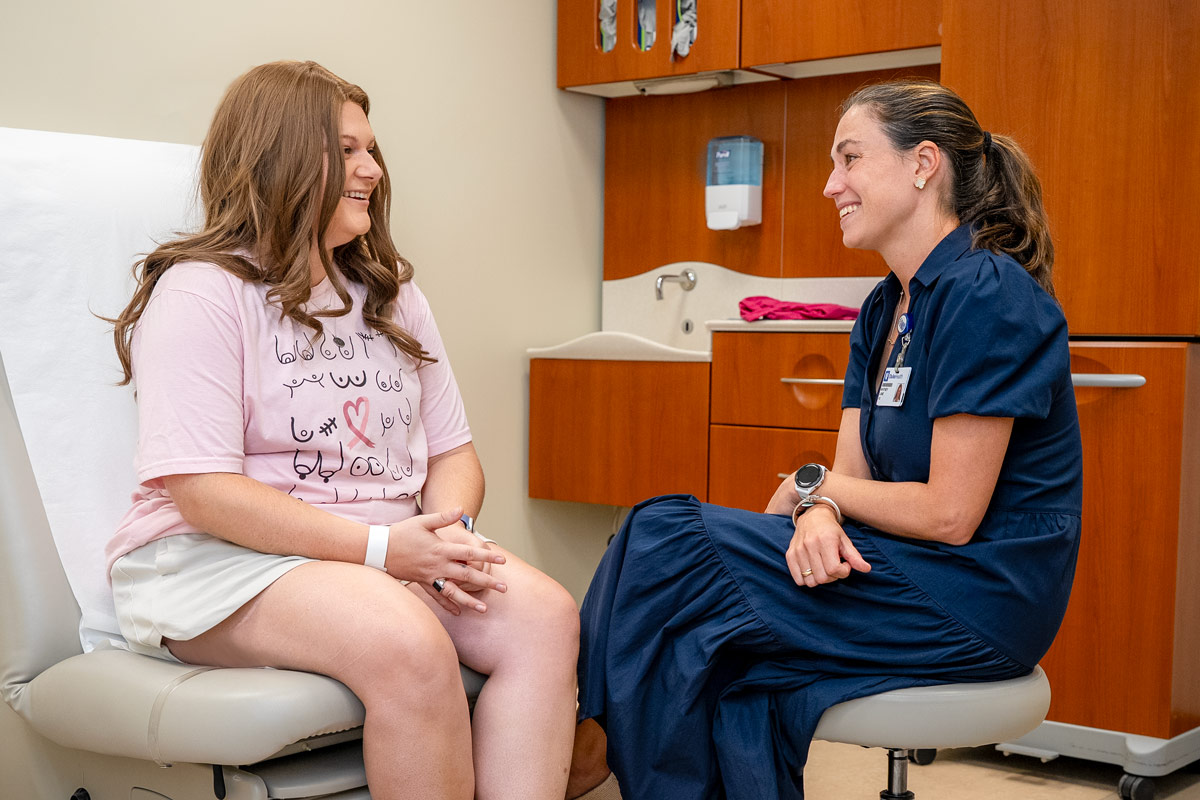
Geason met with the reproductive endocrinologists at the Duke Fertility Center to discuss fertility preservation. “This is something we discuss with people her age right away -- even if they are undecided -- because there is a lot of coordination involved,” said Lopez. This was especially important considering she is at risk for ovarian cancer too. “Even if her ovaries are removed, she’d still be able to have children having completed this up front,” Lopez said.
Geason started daily hormone injections to stimulate her egg production, then underwent a procedure to remove her eggs before starting chemotherapy. The fertility center’s financial counselors helped her access resources to pay for the surgery and the monthly storage of the frozen eggs.
Increasing Awareness of Breast Cancer in Young Women
Geason, now 28, finished chemotherapy in April 2026 and completed her breast reconstruction in the summer. She’s committed to increasing awareness about breast cancer in young women.
“I’m so lucky I knew I had this mutation and got screened,” she said. “There was nothing to feel. Who knows when I would have found it on my own, and what stage it would have been.” She shares her personal journey on social media and doesn’t hesitate to reach out to others her age when she sees them talking about breast cancer. She stresses the importance of advocating for your health. And most of all, she says, “If people have a history of cancer, they should get tested.”
Lopez agrees. “Anyone with a family history of cancer should be seen in a high-risk clinic.” Because Geason started getting screened early, “we were able to find disease when it was in a curable state. And now we’re able to keep an eye on everything else.”