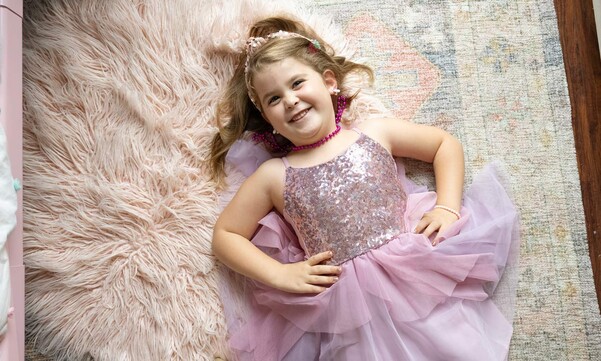
At just nine years old, severe headaches and eye pain caused young Brayden Bardonado to spend most days in bed. That changed when Duke Health surgeons identified and corrected the rare cause of his symptoms. Today, Brayden’s pain is gone, and his mother, Deanna Semanoff, sings Duke’s praises. “I have my son back. It's such an incredible feeling,” Brayden’s mom said. “Duke saved my son’s life.”
A Condition So Uncommon, Only Two Other Cases Reported
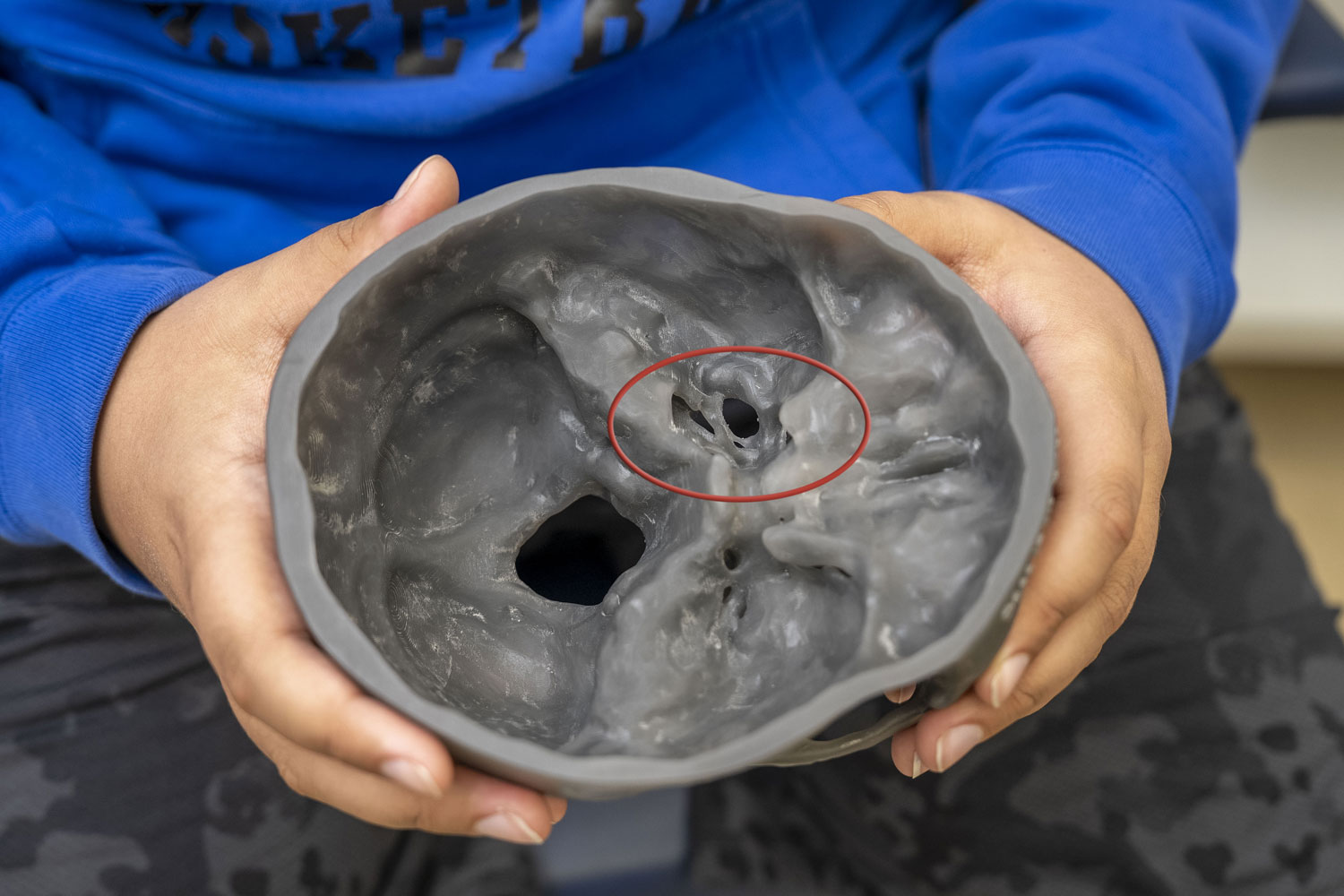
Brayden was ultimately diagnosed with a cerebrospinal fluid lymphovascular fistula, a condition that has only been reported in two other children worldwide. An abnormal connection between the subarachnoid space, which is an area between two layers of the brain, and veins or lymphatic structures was allowing cerebrospinal fluid (CSF) to leak away from Brayden’s brain, eroding his skull base, and causing his brain to sag. The result was excruciating eye pain and headaches. “He was suffering so severely,” Semanoff said. “He would cry for hours every day.”
Searching for Answers
But Brayden didn’t receive his diagnosis right away. In June 2024, Brayden was admitted to a hospital near his home in Lehighton, PA because his pain had become unbearable. Doctors didn’t like what they saw. The dura, the brain’s protective lining, was sagging, and cerebrospinal fluid was leaking through small holes in Brayden’s skull base, but no one knew why. Brayden needed surgery, but doctors cautioned that it was too risky. They suggested trying Duke Health.
Duke Says Yes
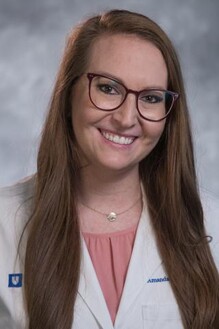
Three days later, Brayden and Semanoff met with Duke’s Amanda Jenson, MD, a pediatric neurosurgeon who specializes in treating complex conditions of the skull base in children. She believed she could help. “To me, it was too risky to not try something, because Brayden’s symptoms were completely debilitating.”
The Journey Begins
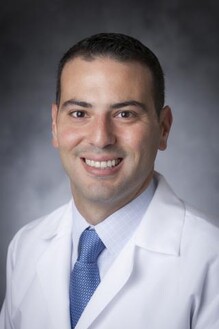
In December 2024, Dr. Jenson joined forces with Duke head and neck surgeon Ralph Abi Hachem, MD, to access Brayden’s skull base through his nostrils. Together, the surgeons used a synthetic material to seal the holes in Brayden’s skull and patched the area with a flap made from Brayden’s nasal tissue.
A Significant Improvement
Brayden returned home, and over the next few months, his symptoms almost completely resolved. “He went from lying in bed for hours suffering to having a tiny headache for maybe 20 minutes a day,” Semanoff said. As time passed, however, the headaches returned.
Surgeries Reveal Surprises
In June 2025, Brayden returned to Duke where advanced imaging showed the patch had held successfully, but CSF was now leaking in a new place near the cavernous sinus, which contains a bundle of facial nerves. Operating in this area risked nerve damage, so Dr. Jenson opened the skull to access the brain and repaired the new leak without accessing the cavernous sinus.
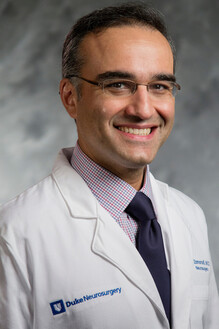
A week later, imaging showed the leak persisted. This time, Dr. Jenson partnered with Duke neurosurgeon Ali Zomorodi, MD, to access the cavernous sinus. Normally, the area is filled with blood, but the surgeons were shocked to find it filled with CSF instead. “Neither of us had ever seen or even heard of that before,” Dr. Jenson said. “It was incredibly unusual.”
This discovery revealed that a fistula was causing the CSF leaks. “It could have been there from birth -- we don’t know -- but this was definitely the source of his problems,” Dr. Jenson said. The surgeons repaired the fistula by packing fat, taken from Brayden’s abdomen, in the area and applying a synthetic sealant that can be safely used in the brain. Dr. Jenson also inserted a drain to direct any excess CSF away from the brain.
Feeling Better than Ever
Following his last procedure in August 2025, Brayden has been headache-free. He celebrated his twelfth birthday in March 2026 by attending a follow-up appointment at Duke and got a great report. He’s looking forward to returning to school in the fall.
“I'm so grateful for where he is today, and I feel like he has a shot at a normal life now,” Semanoff said. “Duke truly saved his life.”
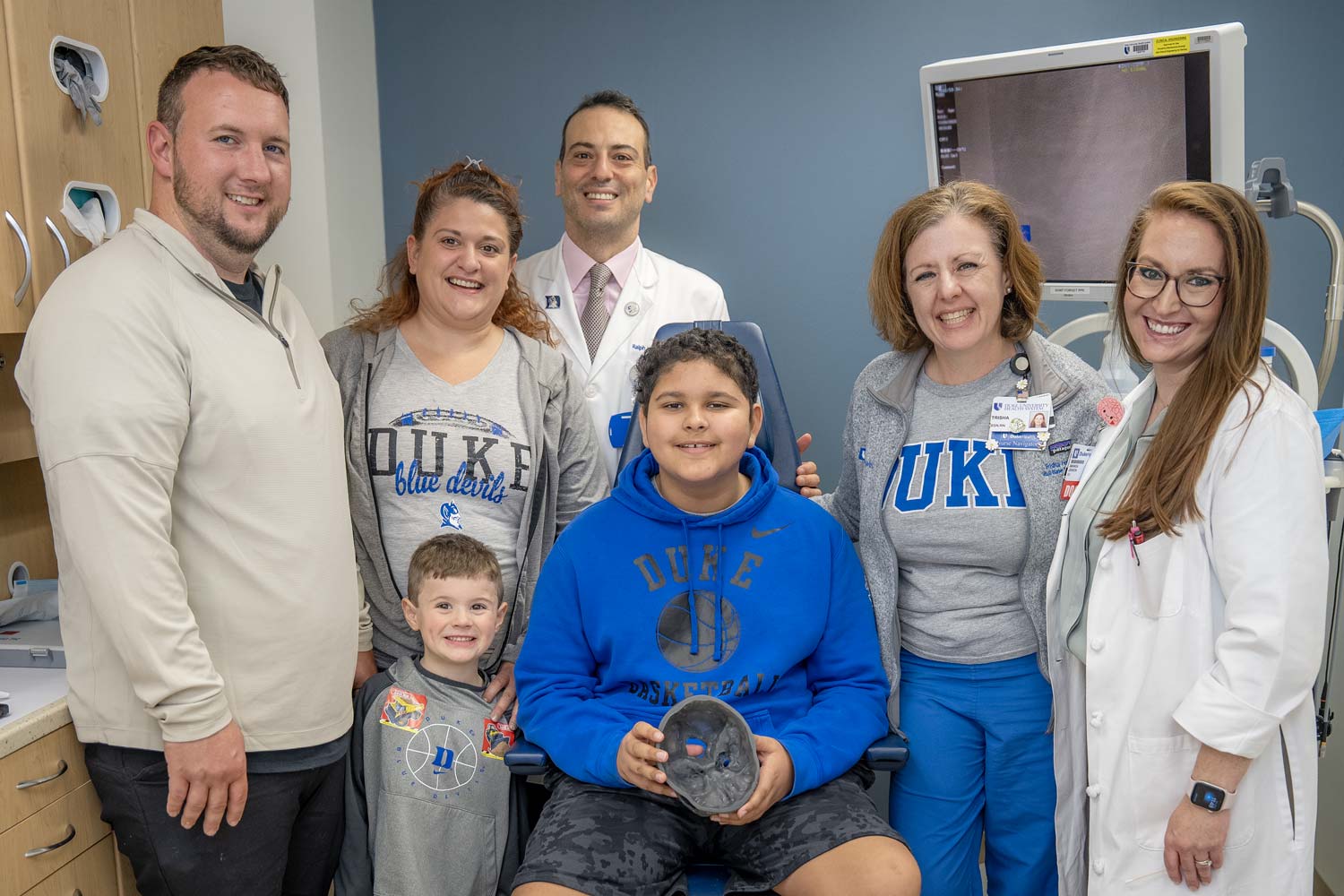
Sharing Brayden’s Story to Help Others
Because only two other cases of cerebrospinal fluid lymphovascular fistula have been reported, Dr. Jenson and her colleagues recently shared their experience at a recent national meeting of skull base surgeons. Doing so offers guidance for other skull base surgeons if additional cases arise in the future.
“That's why I am in this specialty,” Jenson said. “I love seeing incredibly rare pathologies like this, and I want to help as many people as I can.”