After a fall resulted in a broken sacrum and pelvis, Deborah Stephenson, 71, sought care at Duke Health. There, she began visits to the Duke Osteoporosis and Bone Health Program to get injections of a medication that will strengthen her bones and help prevent future breaks. “I have never been treated so wonderfully as I was at Duke Hospital,” said Stephenson. “Not only by the doctors – by everyone on staff.”
A History of Osteoporosis and a Bad Fall
In 2007, Deborah Stephenson was diagnosed with osteoporosis, an age-related condition where bones become thin and lose their strength. This can lead to breakage, pain, and disability. Luckily, medications are available that safeguard existing bone and produce new bone. Over the years, Stephenson tried some of these medications, including a yearly infusion that caused muscle aches for days, but eventually stopped taking them.
Then, in July 2024, she fell. “I was in the kitchen with my family, and I went to turn and fell over something and hit the hardwood floor on my left side,” Stephenson recalls. “It was very painful. But because my grandson had a baseball tournament the next day, I pretended like I was okay. After the tournament, I stayed in bed for about a week.”
Duke Uncovers a Serious Fracture
X-rays obtained near home showed a break in her sacrum, the triangle-shaped bone at the base of the spine. Stephenson’s pain was off the charts, but when a local doctor wouldn’t see her because he said there was nothing he could do, her adult children took charge. “We’re going to Duke,” they told her. Her oldest son drove her the two-plus hours to Duke and carried her into the emergency room.
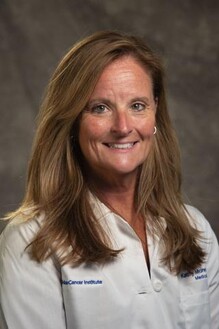
At Duke, Stephenson received medicine for the pain, and the X-rays were repeated—this time showing fractures in her pelvis, too. According to Duke Osteoporosis and Bone Health Program nurse practitioner Kathleen A. Moreland, AGNP-C, Stephenson had a fragility fracture, which occurs when someone falls from a low- or no-trauma position, such as from standing height, and breaks a major bone.
“If you’ve had one fragility fracture, you’re at high risk of having another, especially within the first two years,” said Moreland, adding that fragility fractures can cause pain and disability, result in a loss of independence, and increase the risk of further medical complications.
Bed Rest and Care from At-Home Providers
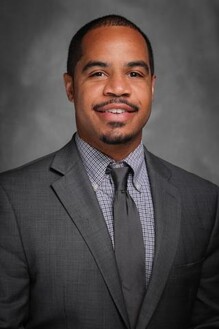
Stevenson’s health care team at Duke discussed her case and concluded that she did not need surgery. “Not everyone with a fragility fracture will need surgery,” explained Duke orthopaedic trauma surgeon Malcolm DeBaun, M.D. “We still have them follow up in our clinic to make sure that they have appropriate non-operative care and to try to prevent fragility fractures from occurring again.”
“I was so happy to not need surgery,” said Stephenson. She returned home and went on bed rest as home health and physical care visited her twice per week. Gradually she healed. “I thought I would never walk again without a walker,” said Stephenson, but by the end of October, that day came. “It was the happiest day of my life,” she said.
Taking Good Care of Her Bones
Today, Stephenson is working hard on continuing to get better, with physical therapy and yoga. She returns to the Osteoporosis and Bone Health Program every six months for an injection of medication to prevent fragility fractures and to monitor her healing fractures and overall bone health with blood work and x-rays. “We work with our patients to give them the medication that makes sense for them,” says Moreland. “If you’re afraid of needles, a shot isn’t going to work for you.” Stephenson appreciates the semi-annual shots: “You don’t have to worry about forgetting to take your medicine,” she said. “It’s fantastic, and well worth the drive to Duke.”
“I have been so happy with Duke and the care that I've gotten, and I can't say enough about the bone health clinic where I see Kathy,” said Stephenson. “She's wonderful. I've gotten the best of care.”